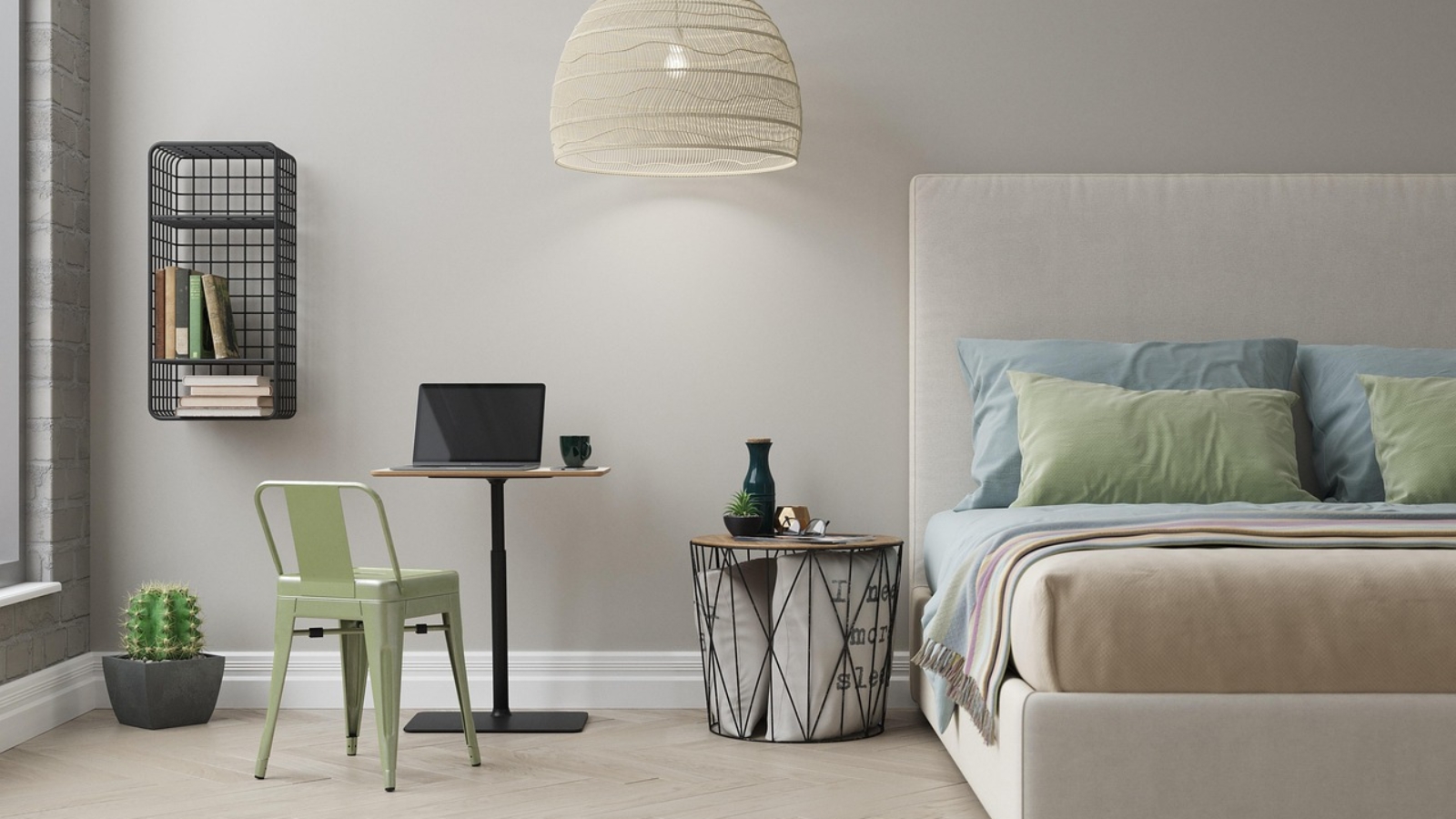
If you click on links we provide, we may receive compensation.
The bedroom is one of the most important spaces in any home. It is more than just a place to sleep—it is a personal retreat where you unwind, recharge, and find comfort after the demands of daily life. A well-designed bedroom promotes relaxation, supports better sleep, and reflects your unique personality and lifestyle.
Whether you are designing a new bedroom, renovating an existing space, or simply looking for inspiration to refresh your surroundings, creating a bedroom that balances comfort, functionality, and style can significantly improve your quality of life.
In this comprehensive guide, we will explore everything you need to know about designing the perfect bedroom, from selecting furniture and color schemes to maximizing storage and creating a peaceful atmosphere that encourages rest and relaxation.
Why the Bedroom Is So Important
The average person spends approximately one-third of their life sleeping. Because of this, the bedroom plays a crucial role in both physical and mental well-being.
A thoughtfully designed bedroom can:
- Promote deeper and more restful sleep
- Reduce stress and anxiety
- Improve overall comfort
- Enhance daily productivity
- Provide a sense of privacy and security
- Reflect personal style and preferences
Unlike other areas of the home that are designed primarily for entertaining guests, the bedroom is a deeply personal space created for your own comfort and well-being.
Planning Your Ideal Bedroom
Before purchasing furniture or selecting décor, it is important to consider how you want your bedroom to function.
Identify Your Needs
Every bedroom serves a slightly different purpose depending on the individual or family using it.
Ask yourself:
- Is the bedroom primarily for sleeping?
- Will it include a workspace?
- Do you need additional storage?
- Will it serve as a reading nook or relaxation area?
- Do you share the room with a partner?
Understanding your needs will help guide your design choices and ensure the room functions efficiently.
Determine Your Style
Your bedroom should reflect your personality and taste.
Popular bedroom design styles include:
- Modern
- Contemporary
- Traditional
- Minimalist
- Scandinavian
- Farmhouse
- Industrial
- Luxury
- Bohemian
- Coastal
Choosing a clear design direction can help create a cohesive and visually appealing space.
Choosing the Perfect Bed
The bed is the focal point of every bedroom and arguably the most important piece of furniture in the room.
Selecting the Right Size
The size of your bed should be determined by the dimensions of the room and your personal comfort preferences.
Common options include:
- Twin
- Twin XL
- Full
- Queen
- King
- California King
A larger bed can provide additional comfort, but it is important to ensure there is enough space for movement and other furniture.
Bed Frames and Headboards
Bed frames contribute significantly to the overall appearance of the bedroom.
Popular styles include:
- Upholstered beds
- Wooden frames
- Metal frames
- Platform beds
- Canopy beds
- Sleigh beds
A stylish headboard can add sophistication while creating a strong visual centerpiece.
Mattress Selection
Choosing the right mattress is essential for quality sleep.
Factors to consider include:
- Firmness level
- Material type
- Support system
- Temperature regulation
- Motion isolation
- Durability
A high-quality mattress is one of the best investments you can make for your health and comfort.
The Power of Color in Bedroom Design
Color has a direct impact on mood, relaxation, and sleep quality.
Neutral Tones
Neutral colors create a calming and timeless atmosphere.
Popular choices include:
- White
- Cream
- Beige
- Taupe
- Soft gray
These shades create a serene backdrop that complements various décor styles.
Soft and Relaxing Colors
Colors associated with tranquility often work particularly well in bedrooms.
Examples include:
- Light blue
- Sage green
- Lavender
- Dusty rose
- Soft aqua
These hues can help create a peaceful environment conducive to rest.
Rich and Dramatic Colors
For those seeking a more luxurious appearance, deeper tones can add warmth and sophistication.
Examples include:
- Navy blue
- Forest green
- Charcoal gray
- Deep burgundy
- Chocolate brown
When used thoughtfully, darker colors can create a cozy and intimate atmosphere.
Bedroom Furniture Essentials
While the bed is the centerpiece, other furniture pieces contribute to both functionality and aesthetics.
Nightstands
Nightstands provide convenient storage and surface space for everyday essentials.
Common uses include:
- Lamps
- Books
- Alarm clocks
- Mobile devices
- Decorative accessories
Matching nightstands often create balance and symmetry within the room.
Dressers and Chests
Storage furniture helps keep the bedroom organized and clutter-free.
Dressers can provide ample storage for:
- Clothing
- Accessories
- Personal items
- Linens
A well-organized bedroom promotes a calmer and more relaxing environment.
Wardrobes
For bedrooms with limited closet space, wardrobes offer valuable additional storage.
Modern wardrobes often include:
- Hanging sections
- Shelves
- Drawers
- Built-in mirrors
Seating Areas
If space allows, adding a comfortable chair or bench can create a dedicated area for reading, relaxing, or dressing.
Creating the Perfect Bedroom Lighting
Lighting influences both the functionality and mood of a bedroom.
Ambient Lighting
Ambient lighting provides overall illumination.
Examples include:
- Ceiling fixtures
- Chandeliers
- Recessed lighting
- Flush-mount lights
Task Lighting
Task lighting supports specific activities.
Common options include:
- Bedside lamps
- Reading lights
- Desk lamps
Accent Lighting
Accent lighting adds warmth and visual interest.
Examples include:
- Wall sconces
- LED strips
- Decorative table lamps
- Under-bed lighting
Layering multiple light sources creates flexibility and allows the atmosphere to be adjusted throughout the day.
Bedding That Enhances Comfort
Quality bedding plays a major role in sleep quality and bedroom aesthetics.
Sheets
Comfortable sheets contribute to a better night’s sleep.
Popular materials include:
- Cotton
- Egyptian cotton
- Bamboo
- Linen
- Microfiber
Comforters and Duvets
These provide warmth while serving as a major decorative element.
Choosing textures and colors that complement the room can elevate the overall design.
Pillows
The right pillow supports proper neck alignment and enhances comfort.
Decorative pillows can also add layers of texture and style.
Bedroom Storage Solutions
An organized bedroom feels more peaceful and spacious.
Under-Bed Storage
Utilizing space beneath the bed can help maximize storage capacity.
Ideal for:
- Seasonal clothing
- Shoes
- Extra bedding
- Storage containers
Built-In Shelving
Built-in shelves provide storage while maintaining a clean appearance.
Multi-Functional Furniture
Furniture that combines storage with functionality can be particularly useful in smaller bedrooms.
Examples include:
- Storage beds
- Ottomans
- Benches with compartments
- Floating nightstands
Adding Personality Through Décor
Decorative elements transform a bedroom from functional to truly personal.
Artwork
Artwork adds character and visual interest.
Options include:
- Paintings
- Photography
- Abstract prints
- Inspirational artwork
Mirrors
Mirrors can make a room feel larger while enhancing natural light.
Rugs
Area rugs add warmth, softness, and texture.
They also help define specific areas within the room.
Plants
Indoor plants bring freshness and natural beauty.
Popular bedroom plants include:
- Snake plants
- Peace lilies
- Spider plants
- Pothos
- ZZ plants
These plants can contribute to a more relaxing and inviting environment.
Designing a Small Bedroom
Limited space does not mean sacrificing style or comfort.
Use Light Colors
Lighter shades can make a room feel more open and spacious.
Choose Space-Saving Furniture
Furniture with built-in storage helps maximize available space.
Utilize Vertical Space
Wall-mounted shelves and storage units can increase functionality without occupying valuable floor space.
Minimize Clutter
A clean and organized room naturally feels larger and more comfortable.
Bedroom Trends for Modern Living
Contemporary bedroom design continues to evolve with changing lifestyles and preferences.
Popular trends include:
- Sustainable materials
- Minimalist furniture
- Earth-tone color palettes
- Smart lighting systems
- Upholstered headboards
- Natural wood finishes
- Layered textures
- Wellness-focused design
These trends emphasize comfort, functionality, and long-term appeal.
The Connection Between Bedroom Design and Wellness
A thoughtfully designed bedroom can positively influence overall well-being.
Benefits include:
- Improved sleep quality
- Reduced stress
- Better mental clarity
- Increased relaxation
- Enhanced productivity
By creating a calm and organized environment, you support healthier daily habits and a more balanced lifestyle.