If you click on links we provide, we may receive compensation.
The kitchen is often described as the heart of the home—and for good reason. It is more than just a place for preparing meals. It is a space where families gather, conversations begin, traditions are passed down, and creativity comes to life through food. A well-designed kitchen combines functionality, comfort, and style, making everyday cooking not only efficient but also enjoyable.
Whether you are building a new kitchen, renovating an existing one, or simply looking for inspiration to improve your space, understanding how to design and organize a kitchen effectively can completely transform the way you live and interact with your home.
In this guide, we will explore everything you need to know about kitchens, including layout design, storage solutions, appliances, lighting, organization, and modern trends that shape today’s kitchen spaces.
Why the Kitchen Is the Most Important Room in the Home
The kitchen holds a unique position in any household. Unlike other rooms that serve specific purposes, the kitchen is multifunctional. It is a place for cooking, dining, socializing, and sometimes even working or studying.
A well-designed kitchen can:
- Improve cooking efficiency
- Encourage healthier eating habits
- Enhance family bonding
- Increase home value
- Reduce stress during meal preparation
- Create a welcoming environment for guests
Because of its central role in daily life, the kitchen deserves careful planning and thoughtful design.
Understanding Kitchen Layouts
One of the most important aspects of kitchen design is the layout. A good layout ensures smooth movement, efficient cooking, and proper use of space.
1. The Work Triangle Concept
A traditional design principle known as the “kitchen work triangle” connects three key areas:
- Refrigerator (food storage)
- Sink (cleaning and preparation)
- Stove (cooking)
This concept emphasizes minimizing unnecessary movement between these points, making cooking more efficient and less tiring.
2. Common Kitchen Layout Types
a. L-Shaped Kitchen
An L-shaped kitchen uses two adjacent walls, creating an open and flexible layout. It is ideal for small to medium-sized spaces and allows for easy movement.
b. U-Shaped Kitchen
This layout surrounds the cook on three sides, offering maximum storage and workspace. It is highly efficient for serious home cooks.
c. Galley Kitchen
A galley kitchen features two parallel counters. It is compact but very efficient, often used in apartments or smaller homes.
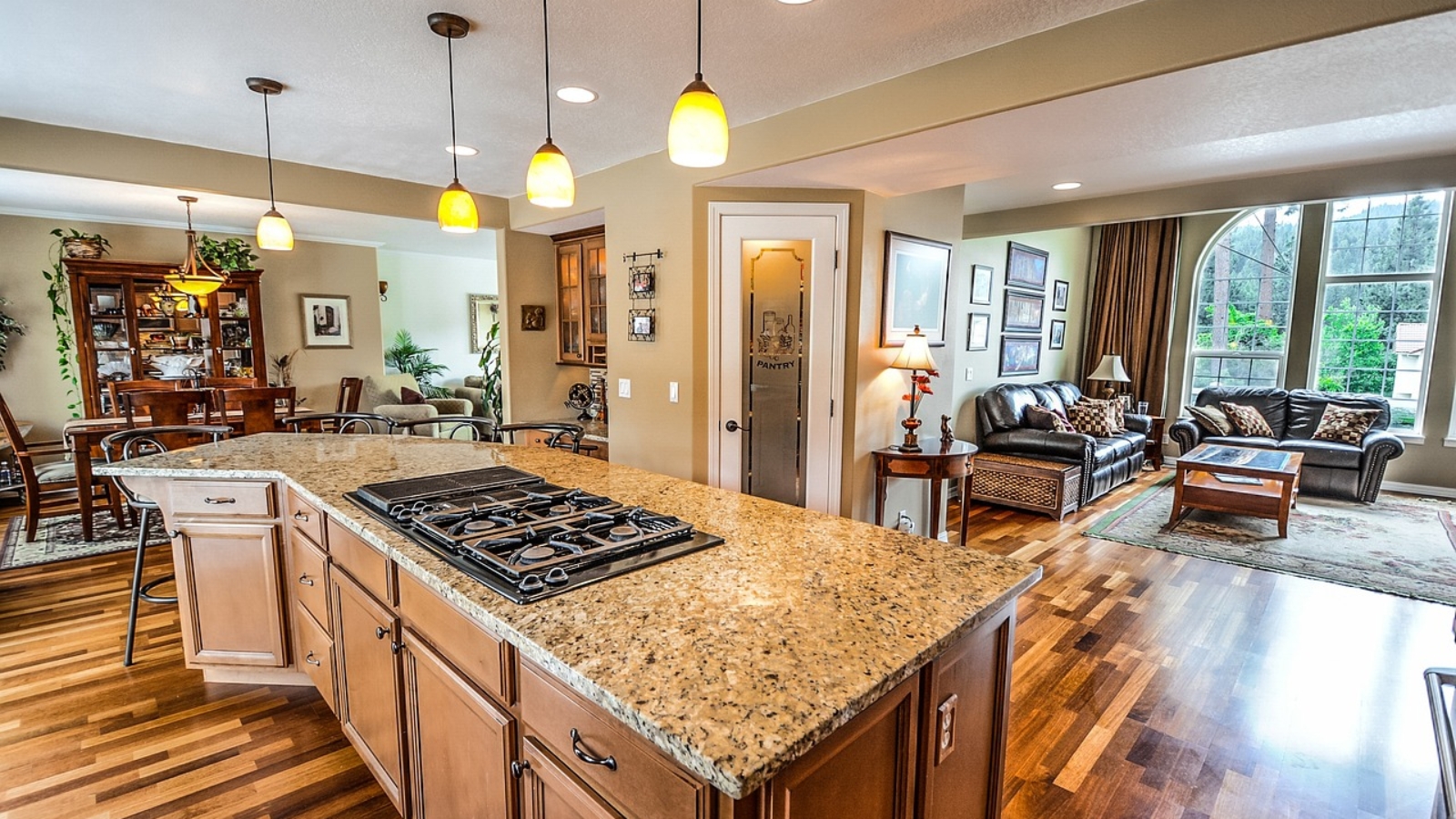
d. Island Kitchen
An island kitchen includes a central countertop that can be used for food prep, dining, or storage. It works best in larger kitchens with open space.
e. Open-Plan Kitchen
This modern layout connects the kitchen with the living or dining area, creating a seamless flow for social interaction.
Essential Kitchen Zones
Modern kitchens are designed around activity zones rather than just layout. These zones improve organization and workflow.
1. Preparation Zone
This includes counter space for chopping, mixing, and assembling ingredients.
2. Cooking Zone
This area includes the stove, oven, and microwave.
3. Cleaning Zone
This includes the sink, dishwasher, and trash disposal.
4. Storage Zone
This includes cabinets, pantry space, and refrigerator storage.
By organizing the kitchen into zones, movement becomes more natural and efficient.
Choosing Kitchen Cabinets and Storage Solutions
Storage is one of the most important elements in kitchen design. A clutter-free kitchen is easier to use and more enjoyable.
Types of Kitchen Cabinets
- Base cabinets (under countertops)
- Wall-mounted cabinets
- Tall pantry cabinets
- Corner cabinets with rotating shelves
Smart Storage Ideas
- Pull-out drawers for pots and pans
- Vertical dividers for trays and cutting boards
- Hidden spice racks
- Corner carousel shelves
- Deep drawers for appliances
Good storage design reduces clutter and improves accessibility.
Kitchen Countertops: Style Meets Durability
Countertops are both functional and aesthetic. They must withstand heat, spills, and daily wear while complementing the kitchen’s design.
Popular Materials
- Granite: Durable and heat-resistant
- Quartz: Low maintenance and stylish
- Marble: Elegant but requires care
- Wood: Warm and natural appearance
- Laminate: Affordable and versatile
When choosing a countertop, balance beauty with practicality.
Kitchen Appliances: The Backbone of Modern Cooking
Appliances play a crucial role in making cooking faster and more efficient.
Essential Appliances
- Refrigerator
- Stove or cooktop
- Oven
- Microwave
- Blender
- Dishwasher
Smart Kitchen Technology
Modern kitchens are increasingly adopting smart technology such as:
- Smart refrigerators with touch screens
- Voice-controlled ovens
- Energy-efficient dishwashers
- App-controlled cooking devices
These innovations improve convenience and energy efficiency.
Kitchen Lighting: Function and Atmosphere
Lighting is one of the most overlooked but important aspects of kitchen design.
1. Ambient Lighting
Provides overall illumination for the entire kitchen.
2. Task Lighting
Focused lighting for work areas like countertops and cooking zones.
3. Accent Lighting
Used to highlight design features such as cabinets or décor.
Good lighting improves safety, visibility, and ambiance.
Kitchen Flooring Options
Kitchen floors must be durable, easy to clean, and resistant to moisture.
Popular Choices
- Ceramic tiles
- Vinyl flooring
- Hardwood flooring
- Stone tiles
- Polished concrete
Each material offers different benefits in terms of durability, comfort, and style.
Kitchen Color Schemes and Design Aesthetics
Color plays a major role in setting the mood of the kitchen.
Neutral Kitchens
White, gray, and beige create a clean and modern look.
Bold Kitchens
Deep blues, greens, or black add drama and sophistication.
Warm Kitchens
Earth tones create a cozy and welcoming atmosphere.
Kitchen Organization Tips
An organized kitchen improves efficiency and reduces stress.
Practical Tips
- Store frequently used items within easy reach
- Label pantry containers
- Use drawer organizers
- Keep countertops clutter-free
- Group similar items together
A well-organized kitchen saves time and effort during cooking.
Small Kitchen Design Ideas
Even small kitchens can be highly functional with smart design choices.
Space-Saving Strategies
- Use vertical storage
- Install wall-mounted shelves
- Choose compact appliances
- Use foldable tables or counters
- Add mirrors or reflective surfaces to create a larger feel
Kitchen Décor and Personal Touches
A kitchen should not only be functional but also visually appealing.
Decorative Ideas
- Indoor plants like herbs or succulents
- Stylish backsplash designs
- Decorative jars and containers
- Wall art or motivational quotes
- Elegant dishware displays
Personal touches make the kitchen feel warm and inviting.
Kitchen Trends in Modern Homes
Kitchen design continues to evolve with new trends emerging every year.
Popular Trends
- Open shelving instead of closed cabinets
- Matte black finishes
- Minimalist design
- Natural wood textures
- Eco-friendly materials
- Smart kitchen integration
- Hidden appliances
These trends focus on simplicity, sustainability, and efficiency.
The Role of the Kitchen in Family Life
The kitchen is more than a cooking space—it is a gathering place. Families often bond over meals prepared and shared in the kitchen. Children learn cooking skills, conversations happen over breakfast counters, and guests naturally gravitate toward the warmth of the kitchen.
This emotional connection makes kitchen design even more important, as it influences how people interact within the home.
Kitchen Maintenance and Cleanliness
Keeping the kitchen clean is essential for hygiene and efficiency.
Maintenance Tips
- Clean surfaces daily
- Deep clean appliances regularly
- Dispose of expired food items
- Sanitize sinks and countertops
- Maintain proper ventilation
A clean kitchen is safer, healthier, and more enjoyable to use.
Conclusion
The kitchen is truly the heart of the home, combining practicality with creativity and social connection. A well-designed kitchen improves daily life by making cooking easier, enhancing organization, and creating a welcoming environment for family and guests.
From layout planning and storage solutions to lighting, appliances, and décor, every detail contributes to a kitchen that is both functional and beautiful. Whether large or small, modern or traditional, any kitchen can be transformed into a highly efficient and inspiring space with the right design approach.
By investing in thoughtful kitchen design, you are not just improving a room—you are enhancing the overall experience of your home and the memories created within it.