If you click on links we provide, we may receive compensation.
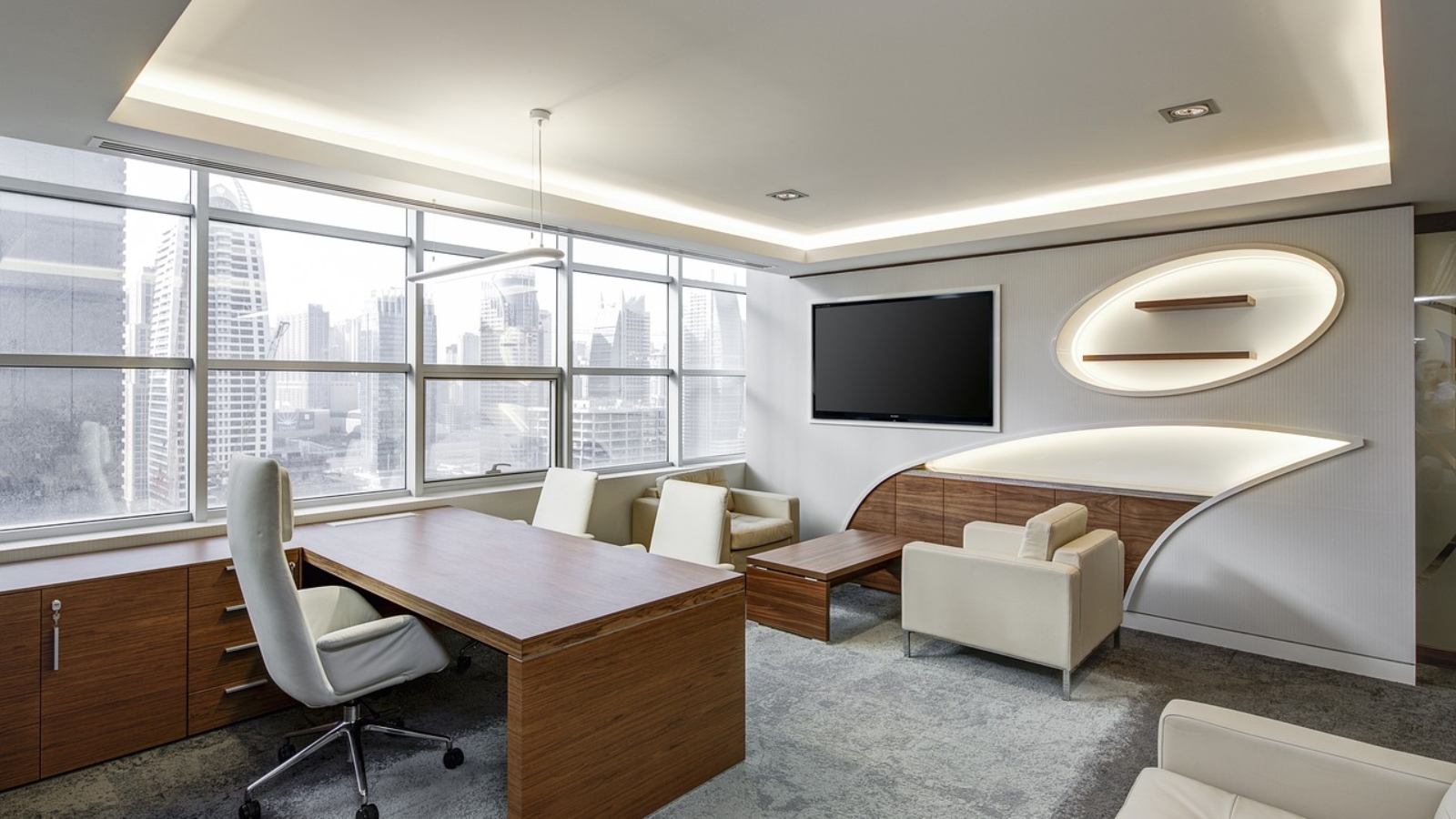
The office is much more than a place where work gets done. It is an environment that influences productivity, creativity, collaboration, and overall well-being. Whether it is a corporate office, a home workspace, a private study, or a shared coworking area, the design and organization of an office play a significant role in how efficiently and comfortably tasks are completed.
In today’s fast-paced world, where remote work and flexible work arrangements have become increasingly common, creating a functional and inspiring office has never been more important. A thoughtfully designed office can improve focus, reduce stress, encourage creativity, and support professional success.
This comprehensive guide explores everything you need to know about designing and organizing an office space that balances functionality, comfort, and style.
Why Office Design Matters
The environment in which people work directly affects performance and satisfaction. An organized and well-designed office can make daily tasks easier while promoting a positive mindset.
Benefits of a well-designed office include:
- Increased productivity
- Improved concentration
- Better organization
- Reduced workplace stress
- Enhanced creativity
- Greater comfort during long work hours
- Stronger professional image
Whether you work from home or in a traditional office setting, investing in your workspace can lead to long-term benefits.
Understanding the Purpose of Your Office
Before selecting furniture or planning a layout, it is important to determine how the office will be used.
Consider the following questions:
- Will the office be used for remote work?
- Do you frequently meet with clients?
- Is collaboration a priority?
- Will the space be used for creative work?
- How much storage is required?
Identifying your specific needs helps create an office that supports your daily workflow.
Choosing the Ideal Office Layout
The layout is the foundation of any productive workspace.
Open Office Layout
Open offices encourage communication and collaboration by minimizing physical barriers.
Benefits include:
- Improved teamwork
- Greater flexibility
- Better use of available space
However, noise and distractions should be carefully managed.
Private Office Layout
Private offices provide a quieter environment for focused work and confidential discussions.
Advantages include:
- Increased privacy
- Better concentration
- Reduced distractions
Hybrid Layout
Many modern workplaces combine open collaboration zones with private workspaces, offering the best of both approaches.
Home Office Layout
For remote workers, home office layouts should balance professionalism with comfort while fitting seamlessly into the home environment.
Selecting the Right Office Furniture
Furniture plays a major role in productivity, comfort, and aesthetics.
Office Desks
The desk serves as the primary workstation and should accommodate daily tasks comfortably.
Popular desk styles include:
- Executive desks
- Writing desks
- Standing desks
- Corner desks
- Adjustable-height desks
When selecting a desk, consider workspace requirements, technology needs, and available room dimensions.
Ergonomic Office Chairs
An ergonomic chair is one of the most important investments in any office.
Benefits include:
- Improved posture
- Reduced back pain
- Enhanced comfort
- Better long-term health
Features to look for include:
- Adjustable height
- Lumbar support
- Armrests
- Breathable materials
- Tilt functionality
Storage Solutions
Effective storage helps maintain organization and efficiency.
Common options include:
- Filing cabinets
- Bookshelves
- Storage drawers
- Wall-mounted shelving
- Mobile storage units
Keeping documents and supplies organized contributes to a cleaner and more productive environment.
Creating an Ergonomic Workspace
Ergonomics focuses on designing workspaces that support physical comfort and reduce strain.
Proper Desk Height
Your desk should allow your arms to rest comfortably while typing or writing.
Monitor Placement
The top of the monitor should be positioned at or slightly below eye level to reduce neck strain.
Keyboard and Mouse Positioning
Keep input devices within easy reach to maintain natural arm and wrist alignment.
Comfortable Seating
A supportive chair encourages healthy posture and minimizes discomfort during extended work sessions.
Proper ergonomics can significantly improve productivity and reduce workplace fatigue.
The Importance of Office Lighting
Lighting affects mood, focus, and overall performance.
Natural Light
Natural daylight is widely considered the best source of illumination.
Benefits include:
- Reduced eye strain
- Improved mood
- Increased productivity
- Better sleep patterns
Whenever possible, position workstations near windows.
Ambient Lighting
Provides overall illumination throughout the office.
Examples include:
- Ceiling fixtures
- Recessed lighting
- Pendant lights
Task Lighting
Task lighting provides focused illumination for specific activities.
Examples include:
- Desk lamps
- Adjustable reading lights
- Under-shelf lighting
Accent Lighting
Accent lighting adds visual interest and highlights architectural or decorative features.
Office Color Schemes and Their Impact
Colors influence mood and behavior, making them an important aspect of office design.
Blue
Blue promotes focus, calmness, and productivity.
Green
Green is associated with balance, creativity, and reduced eye fatigue.
White
White creates a clean, modern, and professional appearance.
Gray
Gray offers sophistication and versatility when used thoughtfully.
Warm Tones
Warm shades can create an inviting and energetic atmosphere.
Selecting an appropriate color palette helps establish the desired work environment.
Organizing Your Office for Maximum Efficiency
Organization is essential for maintaining productivity.
Declutter Regularly
Remove unnecessary items to create a cleaner workspace.
Use Storage Systems
Label folders, drawers, and shelves to improve accessibility.
Create Designated Zones
Separate areas for different activities such as:
- Computer work
- Meetings
- Reading
- Storage
- Creative projects
Organized workspaces reduce distractions and improve workflow.
Technology and Modern Office Solutions
Technology is at the core of modern office functionality.
Essential Equipment
Common office technology includes:
- Computers
- Monitors
- Printers
- Video conferencing equipment
- High-speed internet
Smart Office Features
Modern offices increasingly incorporate smart technology such as:
- Wireless charging stations
- Smart lighting systems
- Voice-controlled devices
- Automated climate control
These innovations improve convenience and efficiency.
Home Office Design Tips
With remote work becoming increasingly popular, home offices require special attention.
Create a Dedicated Workspace
Separating work areas from living spaces helps maintain focus and work-life balance.
Minimize Distractions
Choose a quiet location whenever possible.
Invest in Quality Furniture
Comfortable furniture supports long-term productivity.
Maintain Professionalism
A clean and organized workspace is particularly important for video meetings and virtual collaboration.
Adding Personality Through Office Décor
A well-designed office should reflect your personality while maintaining professionalism.
Artwork
Artwork can inspire creativity and make the workspace more enjoyable.
Plants
Indoor plants offer numerous benefits, including:
- Improved air quality
- Reduced stress
- Enhanced aesthetics
Popular office plants include:
- Snake plants
- ZZ plants
- Pothos
- Peace lilies
Decorative Accessories
Thoughtfully chosen accessories add warmth and character without creating clutter.
Collaborative Office Spaces
Collaboration remains a key component of many workplaces.
Meeting Areas
Comfortable meeting spaces encourage communication and teamwork.
Breakout Zones
Informal gathering areas support brainstorming and creative discussions.
Flexible Furniture
Movable furniture allows spaces to adapt to changing needs.
Modern offices increasingly prioritize flexibility and collaboration.
Office Wellness and Employee Well-Being
A healthy office environment supports physical and mental wellness.
Encourage Movement
Standing desks and walking breaks help reduce sedentary behavior.
Improve Air Quality
Ventilation and indoor plants contribute to a healthier workspace.
Promote Comfort
Comfortable temperatures, proper lighting, and ergonomic furniture support overall well-being.
A wellness-focused office can improve morale, engagement, and productivity.
Office Trends Shaping the Future
Office design continues to evolve as workplace expectations change.
Popular trends include:
- Hybrid workspaces
- Sustainable materials
- Flexible layouts
- Smart office technology
- Wellness-centered design
- Minimalist aesthetics
- Biophilic design incorporating natural elements
These trends emphasize adaptability, sustainability, and employee satisfaction.
Maintaining an Effective Office Environment
Regular maintenance helps preserve productivity and professionalism.
Maintenance Tips
- Keep surfaces clean
- Organize paperwork regularly
- Update technology as needed
- Inspect furniture for wear
- Maintain proper lighting and ventilation
Consistent upkeep contributes to a positive working environment.
Conclusion
The office is more than just a place to work—it is a space that influences productivity, creativity, comfort, and success. Whether you are designing a corporate office, a home workspace, or a collaborative environment, thoughtful planning and organization can dramatically improve daily performance and overall satisfaction.
From selecting ergonomic furniture and optimizing lighting to incorporating technology and personal touches, every detail contributes to a workspace that supports your goals and enhances your professional experience.
By investing in a well-designed office, you create an environment that encourages focus, inspires creativity, and promotes long-term well-being. A productive office is not simply about getting work done—it is about creating a space where people can thrive, innovate, and achieve their best every day.