If you click on links we provide, we may receive compensation.
Scandinavian design is one of the most influential interior styles in the world, known for its simplicity, functionality, and timeless beauty. Originating from the Nordic countries—Denmark, Norway, Sweden, and Finland—this design philosophy reflects a lifestyle centered around comfort, practicality, and a deep connection to nature.
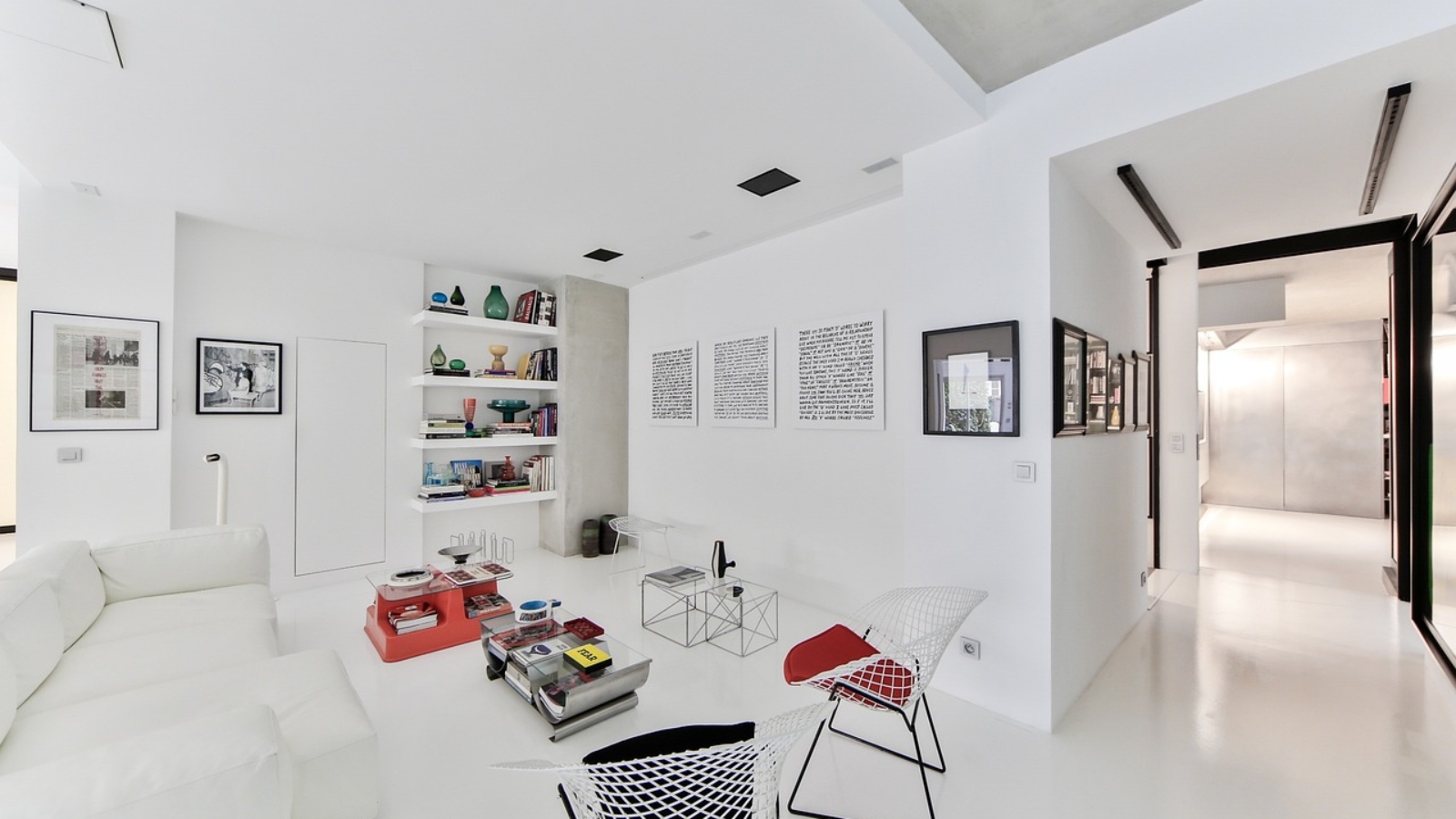
At its core, Scandinavian design is about creating spaces that feel bright, airy, cozy, and uncluttered. It blends minimalism with warmth, resulting in interiors that are both stylish and highly livable. Whether in homes, offices, or commercial spaces, Scandinavian design continues to be a favorite for those who value calm, clarity, and understated elegance.
What Is Scandinavian Design?
Scandinavian design is a style that emphasizes simplicity, functionality, and natural beauty. It avoids unnecessary decoration and instead focuses on clean lines, light colors, and practical layouts.
The philosophy is based on a few key ideas:
- Function comes before decoration
- Spaces should feel bright and open
- Nature should be integrated into design
- Simplicity creates beauty
- Comfort is essential (often referred to as “hygge” in Danish culture)
Unlike overly decorative styles, Scandinavian design is calm, balanced, and intentional.
Key Elements of Scandinavian Design
Scandinavian interiors are defined by a few consistent design principles that work together to create harmony.
1. Light and Airy Spaces
Because Nordic countries experience long, dark winters, Scandinavian design prioritizes natural light.
Common features include:
- Large windows
- Open layouts
- Light-colored walls
- Minimal window coverings
The goal is to maximize brightness and openness.
2. Neutral Color Palette
Scandinavian interiors rely heavily on soft, neutral tones.
Popular colors include:
- White
- Light gray
- Beige
- Soft brown
- Muted pastels
These colors create a calm and timeless foundation.
3. Natural Materials
Nature plays a central role in Scandinavian design.
Common materials include:
- Light wood (pine, oak, birch)
- Wool and linen fabrics
- Leather accents
- Stone and ceramic elements
These materials add warmth and texture to simple spaces.
4. Minimalist Approach
Scandinavian design embraces minimalism, but in a warm and livable way.
Key characteristics:
- Clean lines
- Clutter-free surfaces
- Functional furniture
- Carefully selected décor
Every item has a purpose and contributes to the overall design.
5. Cozy Comfort (“Hygge”)
One of the most important concepts in Scandinavian living is hygge, which refers to comfort, coziness, and well-being.
This is achieved through:
- Soft blankets and cushions
- Warm lighting
- Comfortable seating
- Calm, peaceful environments
Hygge transforms simple spaces into inviting sanctuaries.
Scandinavian Living Room Ideas
A Scandinavian living room is bright, cozy, and functional.
Key Features:
- Neutral-colored sofas
- Wooden coffee tables
- Soft textiles like wool and linen
- Minimal décor with intentional placement
- Large windows for natural light
Design Tips:
Keep furniture simple and avoid overcrowding. Add warmth through layered textures such as throws, rugs, and cushions.
Indoor plants also play an important role in bringing life and freshness into the space.
Scandinavian Bedroom Ideas
Scandinavian bedrooms are designed for rest and relaxation.
Essential Elements:
- Soft, neutral bedding
- Light wood bed frames
- Minimal furniture
- Warm bedside lighting
- Uncluttered surfaces
Atmosphere:
The goal is to create a peaceful sleeping environment that promotes calm and comfort. Soft lighting and natural textures enhance relaxation.
Scandinavian Kitchen Ideas
Scandinavian kitchens are highly functional and beautifully simple.
Key Features:
- White or light-colored cabinets
- Wooden countertops or accents
- Clean, open shelving
- Integrated appliances
- Minimal clutter
Design Approach:
Everything is organized and practical. The kitchen is designed for efficiency while maintaining a clean, modern look.
Scandinavian Bathroom Ideas
Scandinavian bathrooms are clean, bright, and spa-like.
Features:
- White or light gray tiles
- Wooden vanities
- Walk-in showers
- Minimal fixtures
- Simple storage solutions
The result is a fresh and calming environment that feels both modern and natural.
Scandinavian Furniture Design
Furniture in Scandinavian design is known for its simplicity and functionality.
Characteristics:
- Clean, straight lines
- Lightweight appearance
- Natural wood materials
- Functional and multi-purpose use
- Comfortable yet simple upholstery
Furniture is designed to be practical without sacrificing beauty.
Scandinavian Lighting Ideas
Lighting is essential in Scandinavian interiors due to long winters and limited daylight.
Types of Lighting:
- Natural light (large windows are essential)
- Pendant lights with simple designs
- Floor lamps with soft glow
- Table lamps for cozy corners
Lighting Style:
Warm, soft lighting is preferred over harsh brightness. Lighting is used to create atmosphere and comfort.
Scandinavian Color Palette
Color plays a key role in maintaining the calm aesthetic.
Core Colors:
- White (dominant base color)
- Light gray
- Soft beige
- Muted pastels
- Black accents for contrast
This palette keeps spaces feeling open and balanced.
Scandinavian Décor Ideas
Décor is minimal but meaningful in Scandinavian design.
Common Elements:
- Simple wall art or photography
- Ceramic vases
- Candles for warmth
- Wool rugs
- Natural plants
Décor is carefully selected to avoid clutter while adding personality.
Scandinavian Workspace Ideas
Scandinavian offices are designed for focus and productivity.
Features:
- Simple wooden desks
- Neutral color schemes
- Ergonomic chairs
- Minimal accessories
- Plenty of natural light
The workspace is clean, calm, and distraction-free.
Nature in Scandinavian Design
Connection to nature is a major part of this style.
Natural Elements:
- Indoor plants
- Wooden furniture
- Stone accents
- Natural fabrics
These elements help create harmony between indoor and outdoor environments.
Scandinavian Storage Ideas
Storage is essential for maintaining clean and uncluttered spaces.
Smart Solutions:
- Built-in cabinets
- Hidden storage furniture
- Wall-mounted shelves
- Multi-functional furniture
Everything is designed to stay organized and visually clean.
Scandinavian Style Trends
Modern Scandinavian design continues to evolve.
Popular trends include:
- Warm Scandinavian interiors (cozier tones and textures)
- Japandi style (Japanese + Scandinavian fusion)
- Sustainable and eco-friendly materials
- Textured walls and fabrics
- Curved furniture elements
- Earth-tone variations of classic neutrals
These updates make the style more flexible and modern.
Mistakes to Avoid in Scandinavian Design
Overusing White
Too much white can feel cold without warm accents.
Ignoring Texture
Texture is essential to prevent spaces from feeling flat.
Overcrowding Furniture
Scandinavian design relies on open, breathable spaces.
Harsh Lighting
Bright, cold lighting reduces the cozy atmosphere.
How to Create Scandinavian Style on a Budget
Scandinavian design is surprisingly affordable because it relies on simplicity.
Budget Tips:
- Choose neutral paint colors
- Use second-hand wooden furniture
- Add affordable textiles (throws, rugs, cushions)
- Focus on decluttering
- Use DIY décor elements
- Incorporate natural plants
Less is more—so you don’t need many items to achieve the look.
Conclusion
Scandinavian design is a timeless approach that combines simplicity, functionality, and comfort. It creates spaces that feel bright, calm, and highly livable while maintaining a strong connection to nature.
Through neutral colors, natural materials, clean lines, and cozy elements, Scandinavian interiors achieve a perfect balance between minimalism and warmth. It is a style that values quality over quantity and encourages intentional living.
Whether applied to homes, offices, or small spaces, Scandinavian design proves that true beauty lies in simplicity, functionality, and thoughtful design choices that enhance everyday life.